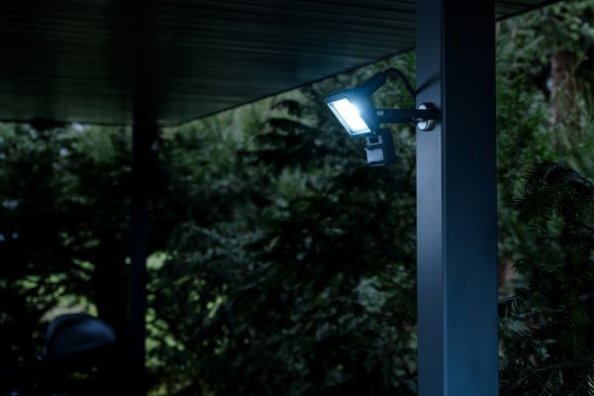
An Outdoor Floodlight Specification Needs a Site Photograph
A drawing with only a wattage and quantity gives an OEM LED flood light supplier China very little to work with. A floodlight illuminating a loading yard has different priorities from one lighting a building facade. Take photographs of the site by day and mark mounting points, target areas and nearby windows. Include mounting height and the direction in which the fixtures can realistically be aimed. Those details expose potential glare and light spill before hardware is ordered.
Ask for photometric files and evaluate the intended beam angles, not just total lumens. A narrow beam may create bright spots; a very broad one can waste light outside the required area. Environmental exposure matters as well. Consider rain, dust, corrosion risks and temperature conditions, and confirm that the specified enclosure and materials are suitable for the location. Outdoor electrical work should be designed and installed according to applicable standards by qualified personnel.
For an OEM project, document what is being customized. It could be a mounting bracket, housing finish, cable length or control option. Each change may affect tooling, testing or lead time. Approve samples against a written specification and retain the relevant documents. If sensor or dimming features are included, test their behaviour at the site rather than assuming the factory demonstration reflects real surroundings.
A floodlight is successful when it lights the intended area without disturbing everyone nearby. That is a design problem worth solving before the first container leaves the factory.
Site photos should show the target area after dark as well as during the day. Note where a floodlight will mount and whether its beam could reach neighbours' windows or drivers' eyes. Rain exposure, cable entry and maintenance access all influence the installation. A narrow beam might make one facade look dramatic while leaving the approach path dark. Review the actual purpose of the light before choosing optics and output. Installation and electrical protection should follow applicable local requirements. A floodlight mounted high above a loading area may need a lift for a routine replacement. Include the future access route in the drawing before approving the fixing position.
Keep the site photographs with the approved aiming directions and mounting details. Mark any area that must stay clear of unwanted light, and revisit it during the installation review. Record the assumptions used for the proposal so a later change in height or position can be assessed. Check the final equipment and access arrangements against the agreed drawing.